Qaisya: A Strategic Font for Purposeful Design
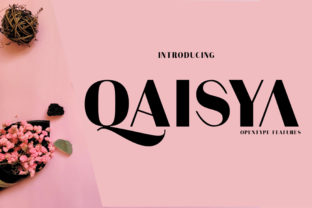
In a world where visual communication is increasingly vital, the choice of typography can significantly influence how messages are received and interpreted. Qaisya, a display font with an elegant classic style, offers more than just aesthetic appeal—it serves as a strategic tool for creators, professionals, and decision-makers. Its refined appearance adds a romantic touch to any crafting project, but its true value lies in how it aligns with specific goals and enhances the overall effectiveness of communication.
The Strategic Value of Qaisya in Branding and Communication
When selecting a font for branding or marketing materials, it’s essential to consider not only its visual impact but also its functional role. Qaisya stands out because of its timeless elegance and subtle sophistication. These qualities make it particularly suitable for projects that aim to convey refinement, tradition, and emotional resonance.
For instance, Qaisya can be strategically used in branding campaigns targeting luxury markets, lifestyle brands, or artistic ventures. Its elegant curves and balanced structure evoke a sense of grace and care, which can help reinforce brand identity and create a memorable impression. When used thoughtfully, Qaisya supports the goal of building trust and emotional connection with audiences.
Moreover, Qaisya is versatile enough to work across multiple platforms, from print to digital. Whether it's a product packaging design, a website header, or a social media post, the font maintains its integrity and readability. This adaptability ensures that it remains a valuable asset in various strategic contexts.
When to Use Qaisya and How to Approach It
Before incorporating Qaisya into your design workflow, it’s important to ask yourself: Does this font align with my project’s purpose and audience? If the answer is yes, then Qaisya can be a powerful ally. However, it’s crucial to approach its use with intentionality rather than impulse.
Consider the following scenarios where Qaisya might be most effective:
- Artistic Projects: Whether you're designing greeting cards, wedding invitations, or creative portfolios, Qaisya brings a touch of romance and elegance that elevates the overall aesthetic.
- Brand Identity: For businesses that want to convey a sense of heritage or craftsmanship, Qaisya can serve as a visual anchor that reinforces brand values.
- Marketing Campaigns: In promotional materials, Qaisya can capture attention while maintaining a sophisticated tone that appeals to discerning audiences.
- Personal Projects: From journaling to personal websites, Qaisya offers a stylish yet readable option that supports both functionality and creativity.
To approach Qaisya effectively, start by defining your objectives. Are you aiming to evoke nostalgia, inspire emotion, or communicate professionalism? Once you have a clear vision, select complementary elements—such as color schemes, layout, and imagery—that enhance the font’s impact.
Planning for Long-Term Success with Qaisya
Design decisions should not be made in isolation; they must fit within a broader strategic framework. When integrating Qaisya into your planning process, consider how it contributes to long-term outcomes. Does it support your brand’s voice? Does it align with your target audience’s preferences?
One practical tip is to test Qaisya in different contexts before committing to its use. Create mockups or sample designs that reflect real-world applications. This allows you to assess how the font performs under various conditions and identify any potential limitations.
Additionally, think about scalability. While Qaisya is visually striking, it may not always be the best choice for large-scale text due to its decorative nature. In such cases, pair it with a more readable body font to maintain clarity and accessibility.
Strategic planning also involves understanding the cultural and contextual implications of using Qaisya. Some fonts carry historical or regional associations that may affect their perception. By being mindful of these factors, you can ensure that your design choices resonate positively with your intended audience.
Risks of Using Qaisya Without Clear Goals
While Qaisya has many strengths, it is not without risks. One of the primary concerns is the potential for overuse or misuse. When employed without a clear purpose, Qaisya can become a distraction rather than a supporting element. This is especially true in environments where legibility and clarity are paramount.
Another risk is the lack of consistency. If Qaisya is used inconsistently across different projects or platforms, it can weaken brand recognition and confuse your audience. To mitigate this, establish a consistent typographic strategy that defines when and how Qaisya should be applied.
Furthermore, relying solely on Qaisya without considering other design elements can lead to an imbalanced visual hierarchy. Always evaluate how the font interacts with other components of your design, such as spacing, contrast, and alignment, to ensure a cohesive and effective outcome.
Intentional Use of Qaisya for Better Results
At its core, Qaisya is a tool that requires thoughtful application. The key to leveraging its full potential lies in using it intentionally rather than randomly. This means making informed decisions based on your specific needs, goals, and audience expectations.
Start by identifying the moments where Qaisya can make the most impact. For example, in a product launch, it might be ideal for headlines or taglines, where its elegance can draw attention and create a lasting impression. In contrast, for instructional content or technical documentation, a more neutral font would be more appropriate.
Another way to use Qaisya intentionally is to incorporate it into your design process as part of a broader strategy. This includes considering how it fits into your overall brand guidelines, user experience, and content strategy. By doing so, you ensure that every design choice contributes to a unified and purposeful message.
Finally, remember that Qaisya is just one piece of the puzzle. While it can enhance your designs, it should never be the sole focus. Instead, let it complement other elements to create a balanced and effective visual experience.