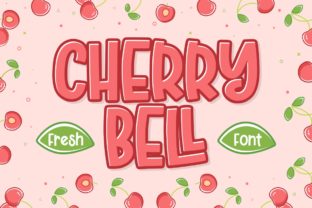
Cherry Bell: A Strategic Font for Purposeful Design
When it comes to design, the right font can make all the difference. Cherry Bell is more than just a typographic choice—it’s a strategic tool that supports clarity, creativity, and communication in ways that align with modern design needs. With its clean lines, consistent sizing, and extensive glyph support, Cherry Bell offers a unique blend of simplicity and versatility. This makes it an ideal companion for designers, entrepreneurs, educators, and professionals who want to create visually compelling content without sacrificing readability or consistency.
The Strategic Value of Cherry Bell
Cherry Bell is designed with intention. Every character is crafted using the same brush style as Letter Kids, ensuring a cohesive aesthetic that feels both playful and professional. This uniformity is crucial for maintaining brand identity across various platforms. Whether you're crafting marketing materials, educational resources, or branding assets, the consistency of Cherry Bell helps reinforce your message and build trust with your audience.
One of the standout features of Cherry Bell is its comprehensive glyph set. Supporting over 350 glyphs, it caters to a wide range of Latin-based languages, making it a valuable asset for global audiences. This inclusivity ensures that your designs can reach diverse communities without compromising on visual harmony. For businesses aiming to expand their reach, this feature is not just convenient—it's essential.
When to Use Cherry Bell
Cherry Bell is particularly effective in scenarios where visual appeal meets functional clarity. It works well in branding materials, such as logos, packaging, and promotional collateral, where a friendly yet professional tone is needed. Its use in educational content is also noteworthy—textbooks, infographics, and learning modules benefit from the font’s readability and approachable style.
In digital spaces, Cherry Bell performs admirably. Websites, social media posts, and email campaigns can all leverage its clean structure to enhance user experience. The font’s scalability ensures that it looks great on both mobile and desktop screens, which is critical in today’s multi-device world.
For creative projects, Cherry Bell adds a touch of personality without overwhelming the viewer. It’s especially useful in graphic design, illustration, and print media where visual storytelling plays a key role. When paired with other fonts like Letter Kids, it creates a balanced typographic palette that supports both aesthetics and functionality.
How to Approach Cherry Bell Strategically
Before incorporating Cherry Bell into your design workflow, consider your goals and the context in which it will be used. Is it for branding? Education? Marketing? Each scenario requires a tailored approach. For instance, if you’re designing a logo, focus on how Cherry Bell complements your brand’s voice and visual identity. If you’re creating instructional materials, prioritize legibility and accessibility.
It’s also important to evaluate how Cherry Bell interacts with other elements of your design. Pairing it with contrasting fonts can help emphasize key messages, while using it consistently throughout a project reinforces brand recognition. Always test the font in different environments to ensure it maintains its integrity and effectiveness.
Practical Examples and Planning Tips
Let’s take a real-world example. Imagine you’re launching a new line of children’s books. You want the cover design to be engaging yet professional. Using Cherry Bell for the title and body text provides a friendly and approachable feel, which resonates well with young readers and their parents. The font’s playful nature aligns with the target audience, while its clarity ensures that the text remains easy to read.
Another scenario involves a small business owner creating a website. By using Cherry Bell for headings and subheadings, they can maintain a consistent visual language that supports both branding and user engagement. The font’s clean structure also contributes to a sense of professionalism, which is vital for building credibility.
When planning your design strategy, always start by defining your objectives. What do you want to achieve with your design? How does Cherry Bell support those goals? Once you have a clear vision, experiment with different applications to find what works best for your specific needs.
Long-Term Value and Risk Considerations
Using Cherry Bell intentionally can yield long-term benefits. Its versatility allows it to adapt to evolving design trends and audience expectations. However, relying on it without a clear purpose can lead to inconsistencies and missed opportunities. For example, using Cherry Bell in a formal document might come across as unprofessional, while applying it to a high-stakes presentation could dilute the intended message.
It’s also important to recognize that no font is a one-size-fits-all solution. While Cherry Bell excels in many contexts, it may not be suitable for every project. Always assess whether the font aligns with your overall design strategy and the needs of your audience. When used thoughtfully, it can become a powerful tool in your creative arsenal.
Decision-Making Guidance for Intentional Use
Intentional use of Cherry Bell begins with understanding your audience and the message you want to convey. Ask yourself: Does this font support my brand’s identity? Will it enhance the user experience? How does it fit within my broader design framework?
Consider the emotional impact of your design choices. Cherry Bell’s friendly and approachable nature makes it ideal for fostering connection and engagement. However, if your goal is to convey authority or professionalism, you may need to pair it with other fonts that better reflect that tone.
Ultimately, the key to success lies in alignment. Ensure that every design decision, including font selection, supports your strategic goals. By doing so, you’ll create content that not only looks good but also delivers meaningful results.