Spatula Font: A Bold Choice for Modern Design
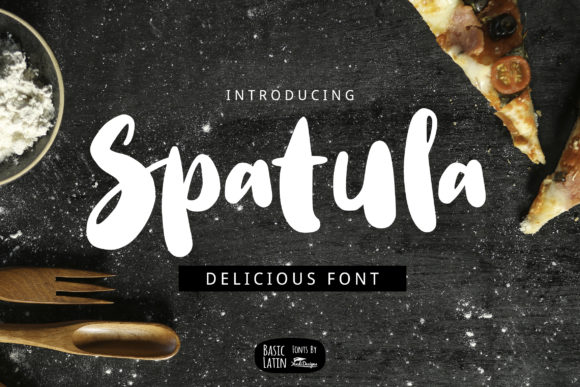
The Spatula font stands out in the world of typography with its thick, lettered, and modern display style. Designed to convey strength, confidence, and dynamism, this font is a versatile addition to any design project that requires visual impact. Whether you're working on branding materials, digital advertisements, or creative presentations, Spatula brings a unique nostalgic character that can elevate your designs.
With its bold strokes and clear outlines, Spatula is ideal for headlines, logos, and other elements that need to grab attention. It's particularly well-suited for projects that aim to communicate authority, innovation, or a sense of tradition blended with contemporary aesthetics.
What Makes Spatula Unique?
One of the defining characteristics of Spatula is its thick lettering. This feature gives the font a strong, commanding presence that can be both eye-catching and easy to read at larger sizes. Unlike many modern sans-serif fonts that prioritize minimalism, Spatula embraces a more substantial form, which makes it stand out in a crowded visual landscape.
Another notable aspect is its modern display style. While some fonts may lean too heavily into either traditional or ultra-modern designs, Spatula finds a balance between the two. This blend allows it to fit seamlessly into a variety of contexts, from vintage-inspired branding to sleek digital interfaces.
The font also carries a nostalgic character, which adds emotional depth to any design that uses it. This trait can be especially useful when creating content that aims to evoke a sense of history, heritage, or personal connection with the audience.
Comparing Spatula with Similar Fonts
When considering alternatives to Spatula, it’s important to evaluate how each font aligns with your specific needs. For example, Bebas Neue is another popular display font known for its boldness and readability. However, while Bebas Neue has a more geometric and structured look, Spatula offers a slightly more organic feel with its thicker strokes and rounded edges.
Exo 2 is another option that shares similarities with Spatula in terms of thickness and modernity. However, Exo 2 tends to have a more technical and futuristic appearance, making it less suitable for projects that require a touch of nostalgia or warmth.
If you're looking for something with a more classic feel, Bodoni MT might be worth exploring. Bodoni MT has a highly stylized, elegant look that works well for high-end branding. However, it lacks the dynamic energy and modern edge that Spatula provides.
In comparison, Playfair Display offers a refined serif style that is excellent for print media and formal documents. Still, it doesn't match Spatula’s ability to make a strong visual statement in digital formats.
Strengths and Tradeoffs
One of the main strengths of Spatula is its versatility. It can be used across various platforms, including websites, mobile apps, and print media. Its bold nature ensures that text remains legible even at smaller sizes, which is crucial for responsive web design.
However, like many display fonts, Spatula may not be the best choice for body text due to its heavy weight. Using it for long paragraphs could lead to visual fatigue and reduced readability. Therefore, it's recommended to use Spatula primarily for headings, titles, and call-to-action buttons rather than extended blocks of text.
Another tradeoff to consider is the font's availability. While Spatula is widely used in the design community, it may not be included in all standard font libraries by default. Designers may need to download or purchase it separately, depending on their software and platform.
Best-Fit Situations for Spatula
Spatula shines in scenarios where a strong visual identity is essential. It's particularly effective in the following situations:
- Branding and Logos: The bold and confident nature of Spatula makes it an excellent choice for creating logos that convey professionalism and authority.
- Digital Advertising: In online ads, Spatula helps ensure that headlines and key messages are immediately noticeable, increasing engagement and click-through rates.
- Creative Presentations: Whether it's a PowerPoint presentation or a website landing page, Spatula can add a dynamic flair that keeps the audience engaged.
- Event Posters and Invitations: With its nostalgic character, Spatula can give event materials a timeless appeal while still feeling modern and relevant.
On the flip side, if your project requires a more subtle or minimalist approach, Spatula may not be the best fit. In such cases, opting for a lighter, more neutral font would be more appropriate.
Real-World Examples
To better understand how Spatula can be applied, let's look at a few practical examples:
- Restaurant Branding: A family-owned restaurant looking to create a warm yet professional brand image might use Spatula for its logo and signage. The font's nostalgic character complements the idea of tradition, while its boldness reinforces trust and reliability.
- Technology Startups: A tech company aiming to project confidence and innovation could leverage Spatula in its marketing materials. The font’s modern display style aligns with the industry's forward-thinking ethos.
- Fashion Labels: High-end fashion brands often use bold fonts to make a lasting impression. Spatula’s strong presence can help reinforce a brand’s identity in a competitive market.
These examples illustrate how Spatula can be adapted to different industries and purposes, always maintaining its core attributes of strength and confidence.
When to Consider Alternatives
While Spatula is a powerful tool for certain applications, there are instances where it may not be the most suitable option. For example, if you're designing a children's book or educational material, a more playful or simple font might be more effective in capturing the attention of younger audiences.
Additionally, if your design requires a lot of text in small sizes, such as in a magazine article or a website blog, using Spatula throughout could compromise readability. In these cases, pairing Spatula with a complementary sans-serif font for body text would be a better strategy.
Lastly, if your project has a very specific aesthetic requirement—such as a strictly modern or minimalist theme—Spatula's nostalgic character might not align with the desired look. In such scenarios, exploring other fonts that match the intended style would be advisable.
Ultimately, choosing the right font involves understanding the goals of your project and how typography contributes to its overall message. Spatula is a great option for those who want to make a bold, confident statement with their designs, but it's important to weigh its benefits against potential limitations based on the context of use.