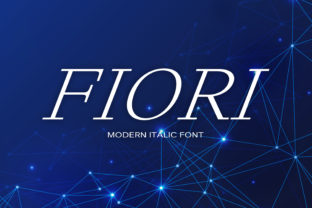
Fiori Font: A Modern Twist on Classic Design
Fiori is more than just a font—it’s a design language that bridges the past and present. Inspired by traditional sign painting, this display font carries a clean, dynamic aesthetic that feels both timeless and fresh. Its versatility makes it an excellent choice for a wide range of creative projects, from branding to digital content. Whether you're a designer, entrepreneur, or content creator, Fiori can elevate your visual communication in meaningful ways.
Why Fiori Stands Out in a Crowded Market
In a world where typography plays a critical role in brand identity and user experience, choosing the right font can make all the difference. Fiori distinguishes itself with its unique blend of classic charm and modern functionality. The font’s structure is rooted in traditional sign painting techniques, which lend it a handcrafted feel. At the same time, its clean lines and balanced proportions give it a contemporary edge that fits well with today’s digital-first environments.
This balance between tradition and innovation means Fiori works across a variety of mediums. It’s not just for print; its clarity and legibility make it suitable for web and mobile designs too. That adaptability is one of its strongest selling points, especially for professionals who need fonts that perform well in multiple contexts.
Practical Benefits of Using Fiori in Your Work
Fiori offers several practical benefits that can enhance your workflow and final output. One of its most notable features is its readability at smaller sizes. While many display fonts become difficult to read when scaled down, Fiori maintains clarity thanks to its well-structured letterforms. This makes it ideal for use in headlines, subheadings, and even body text in certain applications.
Another key advantage is its visual impact. The font’s bold, expressive style adds a sense of energy and personality to any design. For brands looking to stand out in a crowded market, Fiori provides a strong visual identity without sacrificing professionalism. Its ability to convey both strength and approachability makes it a great fit for a wide range of industries, from fashion to technology.
Use Cases Where Fiori Shines
- Branding: Fiori’s distinctive look can help create a memorable brand identity, especially for businesses in creative or lifestyle sectors.
- Logos: The font’s bold, artistic character makes it a natural choice for logos that aim to reflect creativity, quality, or craftsmanship.
- Headlines: In digital content, Fiori can draw attention and set the tone for a piece, making it perfect for articles, blog posts, or social media graphics.
- Business Cards: Its clean, modern appearance ensures that business cards remain professional while still standing out from the crowd.
- T-Shirts and Apparel: The font’s versatility extends to print-on-demand products, offering designers a stylish option for custom apparel.
Who Benefits Most from Using Fiori?
Fiori is particularly well-suited for designers, marketers, and small business owners who value both aesthetics and functionality. For creators working on personal projects or independent ventures, the font’s ease of use and broad appeal make it a valuable tool. Entrepreneurs looking to build a strong visual brand will also find Fiori useful, as it supports a cohesive and recognizable identity across different platforms.
Freelancers and educators may benefit from using Fiori in presentations, course materials, or promotional content. Its clear, engaging style helps communicate ideas effectively, making it a great asset for those who rely on visual storytelling.
Considerations and Limitations
While Fiori has many strengths, it’s important to consider its limitations. As a display font, it may not be the best choice for long-form text or dense content. Its decorative nature means it might not always align with a minimalist or ultra-modern design aesthetic. In such cases, pairing Fiori with a more neutral sans-serif font could provide a balanced approach.
Additionally, the font’s visual weight can sometimes make it challenging to integrate into very subtle or understated designs. Users should evaluate their project goals carefully before selecting Fiori. If the goal is to maintain a consistent, low-profile design, a simpler font may be more appropriate.
How to Get Started with Fiori
Getting started with Fiori is straightforward. The font is available through various design platforms and font libraries, including Google Fonts, Adobe Fonts, and other commercial providers. Before downloading, take a moment to review the licensing terms to ensure they align with your intended use.
Once installed, experimenting with different weights and styles can help you discover the best way to incorporate Fiori into your work. Try using it in headers, titles, or call-out sections to see how it enhances your design without overwhelming the viewer.
Thoughtful Observations on Design Choices
Typography is more than just choosing a font—it’s about creating a visual hierarchy that guides the audience’s attention. Fiori excels in this area, as its strong, stylized forms naturally draw the eye. However, it’s essential to use the font strategically. Overuse can lead to visual clutter, so it’s best to reserve Fiori for key elements like headings or brand signatures.
Pairing Fiori with complementary fonts can also help achieve a more balanced design. For example, using a simple sans-serif font for body text alongside Fiori for headers creates a clear distinction and improves readability.
Conclusion
Fiori is a versatile, visually striking font that offers both historical inspiration and modern relevance. Its clean, dynamic style makes it an excellent choice for a wide range of design needs, from branding to digital content. By understanding its strengths and limitations, users can make informed decisions about when and how to apply it effectively.
Whether you’re a seasoned designer or a newcomer to the field, Fiori has the potential to enhance your work in meaningful ways. With its blend of tradition and innovation, it’s a font that deserves a place in your design toolkit.