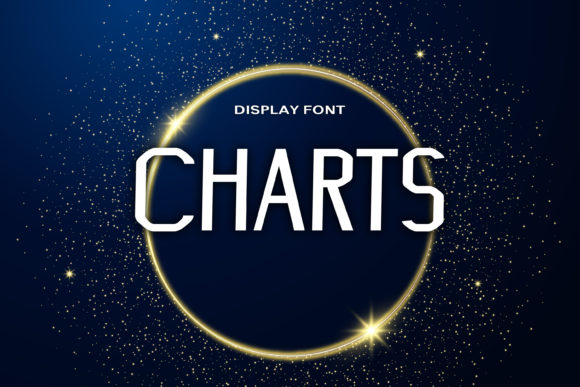
Charts: A Bold Display Font for Futuristic Design
Fonts are more than just visual elements; they're the silent architects of communication. In a world where design is increasingly driven by clarity, impact, and innovation, the right font can elevate a message from ordinary to extraordinary. Charts is one such font that stands out with its geometric precision, bold lettering, and futuristic aesthetic. Whether you're designing a presentation, crafting a brand identity, or creating digital content, Charts brings a level of sophistication and modernity that aligns perfectly with today's design trends.
What Is Charts?
Charts is a display font characterized by its strong, clean lines and structured shapes. It belongs to the category of sans-serif fonts but with a distinct geometric twist. Unlike traditional sans-serif fonts that may have subtle curves, Charts uses sharp angles and uniform strokes to create a sense of order and authority. This makes it particularly well-suited for headlines, logos, and other elements where impact and legibility are paramount.
The name "Charts" suggests a connection to data visualization, which is an interesting nod to its visual structure. The font's design feels analytical yet artistic, making it versatile enough to be used in both technical and creative contexts.
Key Characteristics of Charts
Let's break down what makes Charts stand out:
- Geometric Structure: Every letter in Charts is built using precise angles and consistent stroke widths, giving it a highly structured and professional appearance.
- Bold Lettering: The font has a strong presence on the page, which makes it ideal for grabbing attention in headlines or titles.
- Modern Aesthetic: Its clean, minimalist look fits well within contemporary design trends, especially those leaning towards tech, science, and futurism.
- Readability: Despite its boldness, Charts maintains excellent readability even at smaller sizes, ensuring that your message remains clear and accessible.
- Versatility: While it excels as a display font, Charts can also be used effectively in body text when paired with a complementary serif or sans-serif font.
Who Benefits Most from Using Charts?
Charts is not a one-size-fits-all font, but there are specific scenarios and audiences where it shines:
- Designers and Creatives: If you're working on branding projects, posters, or website headers, Charts offers a fresh and modern approach to typography that can set your work apart.
- Entrepreneurs and Startups: The font's clean and confident look is perfect for startups looking to establish a strong visual identity without appearing too corporate or outdated.
- Marketers and Advertisers: Charts can be used to create eye-catching headlines for ads, social media posts, or promotional materials that need to convey confidence and clarity.
- Educators and Publishers: In educational or informational contexts, Charts can help reinforce a sense of structure and logic, especially when dealing with complex subjects like mathematics, engineering, or data analysis.
- Freelancers and Bloggers: For bloggers or freelancers who want their content to feel more professional and visually appealing, Charts can be an excellent choice for headings and call-out sections.
Real-World Applications and Performance
In practice, Charts performs exceptionally well across various mediums. When used in print, its crisp edges and high contrast make it easy to read even from a distance. On digital platforms, it retains its clarity and sharpness, making it suitable for web banners, mobile interfaces, and digital signage.
One real-world example is its use in infographics. Because of its structured and analytical appearance, Charts complements data-driven visuals beautifully. Pairing it with charts and graphs can create a cohesive visual language that reinforces the message being conveyed.
However, it's important to note that while Charts is highly readable, it may not be the best choice for long-form text. Its bold nature can become overwhelming when used extensively in body copy. Instead, it should be reserved for short, impactful phrases and headlines.
Quality, Usability, and Long-Term Value
From a quality standpoint, Charts is a well-crafted font that demonstrates attention to detail. The consistency in stroke width and spacing contributes to a polished appearance. Its usability is further enhanced by the availability of multiple weights and styles, allowing designers to adapt it to different needs without compromising on aesthetics.
In terms of long-term value, Charts is a font that will remain relevant for years to come. Its geometric design aligns with current and emerging design trends, making it a safe investment for any designer's toolkit. Additionally, its versatility ensures that it can be applied across a wide range of industries and projects.
That said, like any font, Charts has its limitations. It may not be suitable for all design contexts, especially those that require a softer or more organic feel. It’s also essential to consider how it interacts with other design elements, such as colors, images, and layouts, to ensure a balanced composition.
Practical Recommendations and Considerations
If you're considering adding Charts to your design workflow, here are some practical recommendations:
- Use It Sparingly: Reserve Charts for headlines, titles, and key messages rather than using it throughout entire documents or websites.
- Pair It with Complementary Fonts: To maintain visual harmony, pair Charts with a more readable font for body text. A combination of a serif or rounded sans-serif font can provide a nice contrast.
- Test It Across Devices: Ensure that Charts looks good on different screen sizes and resolutions, especially if you're using it for web content.
- Consider Licensing: If you're planning to use Charts commercially, make sure to check the licensing terms to avoid any legal issues.
Ultimately, whether Charts is the right font for your project depends on your specific goals and context. If you're looking for a bold, structured, and modern typeface that can add a touch of professionalism and innovation to your designs, then Charts is definitely worth exploring.