Cabin Font
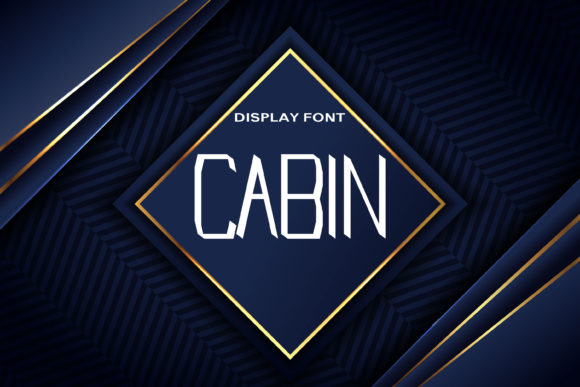
In the ever-evolving world of graphic design, finding a font that balances modernity with versatility can be a game-changer. Cabin, a modern and geometric display font, stands out for its clean lines and bold presence, making it an excellent choice for designers seeking to elevate their visual communication. Whether you're crafting a brand identity or designing eye-catching social media graphics, Cabin offers a fresh take on typography that aligns perfectly with current design trends.
Understanding the Power of Typography in Design
Typography is more than just choosing a font—it’s about shaping how your message is received. A well-chosen typeface can convey professionalism, creativity, or even playfulness, depending on the context. Cabin, with its minimalist yet striking appearance, is ideal for projects that demand attention without overwhelming the viewer. Its geometric structure ensures readability across various sizes, from small text in a brochure to large headlines on a website.
When used effectively, Cabin contributes to a strong visual hierarchy, guiding the audience's eye through content in a logical and engaging way. This makes it particularly useful in web design, UI/UX, and digital marketing materials where clarity and impact are essential.
Practical Applications of Cabin in Graphic Design
The versatility of Cabin makes it suitable for a wide range of creative applications. Here are some key areas where this font shines:
- Branding and Logo Design: Cabin's modern look can help establish a fresh, forward-thinking brand identity. It pairs well with minimalistic logos and works especially well with a monochrome color palette or high-contrast combinations.
- Social Media Graphics: With its bold weight, Cabin is perfect for creating attention-grabbing captions, call-to-action buttons, and post titles that stand out on platforms like Instagram or Twitter.
- Editorial Design: Used in magazine layouts or blog headers, Cabin adds a contemporary edge while maintaining legibility, which is crucial for content readability.
- Packaging Design: The clean lines of Cabin make it a great fit for product labels, packaging tags, and brand slogans that need to communicate quickly and clearly.
- Presentations and Digital Products: Cabin can enhance slideshows, e-books, and digital courses by providing a consistent and professional typographic style that reinforces the overall message.
Tips for Using Cabin Effectively
To ensure Cabin delivers the best results, consider these tips when incorporating it into your designs:
1. Maintain Consistency: Use Cabin consistently throughout your project to avoid visual clutter. Pair it with complementary fonts for body text to create balance.
2. Focus on Readability: While Cabin is visually striking, always test it at different sizes and weights to ensure it remains legible, especially in print or low-resolution digital formats.
3. Match with Appropriate Imagery: Cabin works well with clean, modern visuals. Avoid pairing it with overly complex or busy backgrounds that might distract from the typography.
4. Consider Color and Contrast: Experiment with different color palettes to see how Cabin interacts with your design. High contrast between text and background will improve user experience and brand visibility.
5. Align with Brand Guidelines: If you're working within an existing brand system, check whether Cabin complements your current brand identity or if a different font would better reflect your company's values and personality.
By thoughtfully integrating Cabin into your design workflow, you can create compelling visuals that not only capture attention but also support clear and effective communication. Whether you're working on packaging design, editorial layouts, or digital marketing campaigns, Cabin offers a powerful tool to elevate your creative output and leave a lasting impression on your audience.