Alberto: A Friendly Font That Adds Personality to Your Design
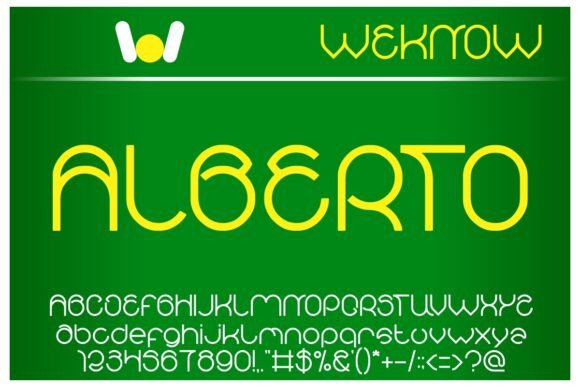
Alberto is a display font that brings warmth and charm to any design project. With its rounded edges and friendly appearance, it’s ideal for branding, websites, print materials, and more. But like any design tool, there are common mistakes people make when using Alberto—mistakes that can affect the overall look, readability, and effectiveness of their work.
Why Alberto Matters in Modern Design
When choosing a font, it’s easy to overlook the subtle differences between options. Alberto stands out because of its inviting shape and versatility. It’s not just for headlines or logos; it can be used in body text if paired with a complementary serif or sans-serif font. Its playful nature makes it perfect for creative fields like marketing, education, and small business branding.
However, many users don’t realize that the way they use Alberto can either enhance or undermine their message. Whether you’re designing a website, creating social media graphics, or producing printed materials, understanding how to apply Alberto effectively is key.
Mistake 1: Using Alberto as the Sole Text Font
One of the most common errors is relying solely on Alberto for all text. While it looks great in headlines, it lacks the legibility required for long blocks of content. This can lead to eye strain and reduce user engagement.
Solution: Pair Alberto with a readable body font. For example, use it for titles and call-to-action buttons while keeping paragraphs in a clean sans-serif or serif typeface. This ensures your design remains both visually appealing and functional.
Mistake 2: Ignoring Font Weight and Size Variations
Another frequent oversight is not considering how different weights and sizes of Alberto affect the layout. A bold version might look great in a logo, but it could clash with other elements if not used carefully.
Solution: Experiment with various weights and sizes before finalizing your design. Use lighter weights for subheadings and bolder ones for emphasis. Also, ensure the font size is large enough for readability across devices.
Mistake 3: Not Checking Licensing Details
Many designers overlook licensing information when using fonts like Alberto. This can lead to legal issues, especially if the font isn’t free for commercial use or if it requires attribution.
Solution: Always review the license agreement before using Alberto in a project. If you're unsure, opt for a free or open-source alternative that clearly states its usage terms.
Mistake 4: Overlooking Responsive Design Considerations
With the rise of mobile browsing, it’s crucial to ensure your fonts scale well across devices. Alberto may look great on desktops, but it could appear blurry or distorted on smaller screens.
Solution: Test your design on multiple screen sizes and adjust the font settings accordingly. Use tools like Google Fonts or Adobe Typekit to optimize the font for responsiveness.
Mistake 5: Using Alberto in Inappropriate Contexts
While Alberto is versatile, it’s not always the best choice for every situation. For example, it might not be suitable for formal documents or professional reports where a more traditional font would be better.
Solution: Evaluate the context of your design before selecting Alberto. If you need a more serious or professional look, consider fonts like Georgia or Times New Roman. Use Alberto for creative or casual projects instead.
Mistake 6: Failing to Customize the Font
Many users use Alberto without adjusting its spacing, kerning, or tracking. This can result in an unbalanced layout that doesn’t reflect the font’s full potential.
Solution: Customize the font settings to match your design goals. Adjust letter spacing and line height to improve readability and visual harmony. Tools like Adobe Illustrator or online font editors can help with this process.
Mistake 7: Not Considering Color and Background Contrast
The contrast between Alberto and the background color plays a significant role in readability. Poor contrast can make the text difficult to read, especially for users with visual impairments.
Solution: Test your design against different backgrounds to ensure optimal contrast. Use tools like the Web Content Accessibility Guidelines (WCAG) to check for compliance and accessibility standards.
What to Check Before Using Alberto
- License Agreement: Ensure you have the right to use Alberto in your project.
- Font Compatibility: Verify that the font works well with your chosen platform or software.
- Readability: Test the font on different devices and screen sizes to ensure clarity.
- Design Context: Choose Alberto based on the tone and purpose of your project.
- Accessibility: Make sure the font meets accessibility guidelines for all users.
By avoiding these common mistakes, you can maximize the impact of Alberto in your designs. Whether you’re a beginner or a seasoned designer, taking the time to understand how to use Alberto properly will help you create more effective and visually appealing work.