Adorn Font: A Quirky Display Choice for Creative Projects
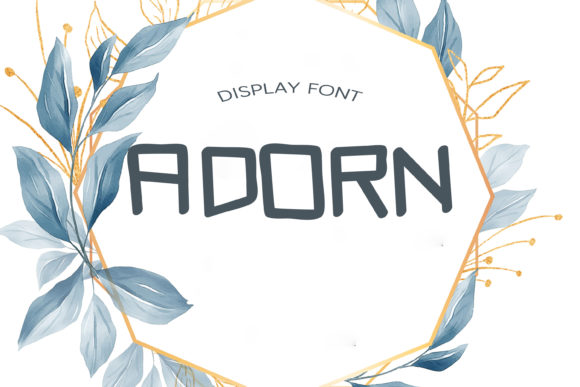
Adorn is a display font that stands out with its unique characteristics, including a dancing baseline and all-caps characters that are anything but standard. Designed to evoke a sense of casual charm, Adorn features imperfect lines that give each letter an organic, hand-drawn feel. This makes it particularly well-suited for branding projects, striking posters, and as a distinctive display font in web or app development.
Understanding the Characteristics of Adorn
At first glance, Adorn appears unconventional compared to more traditional typefaces. Its irregular baseline creates visual movement, while the all-caps letters are intentionally uneven, adding a playful yet professional aesthetic. These qualities contribute to a font that feels both artistic and approachable.
The imperfections in Adorn's design are not flaws but intentional stylistic choices. They give the font a human touch, making it ideal for projects that aim to convey creativity, personality, or a relaxed vibe. However, this also means that Adorn may not be suitable for all applications, especially those requiring strict typographic consistency.
Why Someone Might Be Interested in Adorn
Designers and developers looking for a font that breaks away from the norm might find Adorn appealing. Its quirks make it a strong candidate for brand identities that prioritize uniqueness over uniformity. For instance, a boutique clothing line or a creative studio could benefit from using Adorn in logos, packaging, or marketing materials.
Additionally, Adorn's dynamic appearance can elevate the visual impact of posters, banners, and other forms of print media. In digital contexts, it works well for headings, call-to-action buttons, or any element where attention-grabbing typography is desired.
Benefits and Tradeoffs of Using Adorn
One of the primary benefits of Adorn is its ability to add character to a design. It can help differentiate a brand from competitors and create a memorable visual identity. Its casual nature also makes it versatile across various creative fields, from graphic design to user interface (UI) development.
However, there are tradeoffs to consider. The irregularity of Adorn’s baseline and letterforms can pose challenges when it comes to readability, especially in smaller sizes or low-resolution environments. It is best used for short bursts of text rather than long paragraphs or body copy.
Another consideration is legibility on screens. While Adorn looks striking in print, its unique design may not render consistently across different devices or browsers. Testing it in various contexts is essential before finalizing its use in a project.
Situations Where Adorn Is a Strong Fit
Adorn shines in scenarios where visual interest and personality take precedence over strict typographic rules. It is an excellent choice for:
- Brand Logos: Its distinctive style can help create a strong, memorable brand image.
- Posters and Banners: The dynamic baseline and unique characters make it visually engaging for promotional materials.
- Web Headers and Titles: When used sparingly, Adorn can draw attention to key content without overwhelming the user.
- App Interfaces: As a display font, it can enhance UI elements such as buttons, navigation menus, or feature highlights.
In these cases, Adorn's quirks become strengths, allowing designers to express creativity and stand out from the crowd.
When Alternatives May Be Worth Considering
While Adorn offers a unique look, it may not be the best option for every situation. For example, if a project requires high readability, accessibility, or a more formal tone, alternatives like Helvetica, Arial, or Georgia would be more appropriate.
Additionally, if the goal is to maintain a clean, minimalist design, fonts with consistent baselines and even letterforms may be preferable. In such cases, sans-serif or serif fonts that offer clarity and professionalism would serve better.
It is also important to consider the target audience. If the users of a website or application require clear, easy-to-read text, using Adorn for body copy or extended text blocks could hinder usability.
Practical Insights for Choosing Adorn
Before deciding to use Adorn, evaluate the purpose of your project and the message you want to convey. Ask yourself whether the font's quirky nature aligns with your brand's identity and the overall tone of your design.
Consider testing Adorn in different sizes, colors, and backgrounds to ensure it remains legible and aesthetically pleasing. Also, check how it renders across various platforms and devices to avoid unexpected issues.
Finally, think about the balance between creativity and functionality. While Adorn can bring a fresh perspective to your work, it should complement—not compromise—the usability and clarity of your design.
By carefully weighing these factors, you can determine whether Adorn is the right choice for your needs or if another font might better serve your goals.